
After school enrichment is designed to not only support the working families of our communities but exist to create equity. In Paul Gorski’s book Reaching and Teaching Students in Poverty; Strategies for Erasing the Opportunity Gap, we are presented with an almost identical dilemma to that which our TRSU Continuous Improvement Plan addresses. Gorski states, “…this is why the condition we call an ‘achievement gap’ is more rightly understood as an opportunity gap. After all, disparities have nothing to do with student effort or intelligence. They only reflect students’ disparate levels of access to the resources and opportunities other students, no smarter or more dedicated to school enjoy.” Simply put, these students are struggling due to fewer resources in their “toolbox”.

Gorski offers a set of instructional strategies that he believes work in erasing the opportunity gap and that aid in making schools the great equalizers they were envisioned to be. We at TRSU know that our after school programs’ academic focus on enrichment opportunities target 8 of the 11 suggested strategies. As such, we increase student opportunity and help supplement their toolbox when we:
- Prioritize literacy instruction across the curriculum
- Promote literacy enjoyment
- Have and communicate high expectations
- Adopt student-centered, rigorous teaching practices
- Teach critical literacy
- Make curricula relevant to students experiencing poverty
- Incorporate music, art, and theater
- Incorporate movement and exercise into learning
Each year the aforementioned gap widens as students grow and collect experiences and opportunities outside of the classroom. At TRSU, our after school programs are committed to providing a variety of learning, and life experiences to all students. These opportunities show up in programming such as Tae Kwon Do lessons, ballet classes, coding, foreign language, tutoring, robotics, hunters safety, African drumming, yoga, circus club, art, drama, and Learning Lab. Overcoming potential obstacles such as socioeconomic class, geographic barriers, lack of transportation, or long parental/guardian working hours, the ASP is bridging the gap for families by bringing experiences directly into our communities.


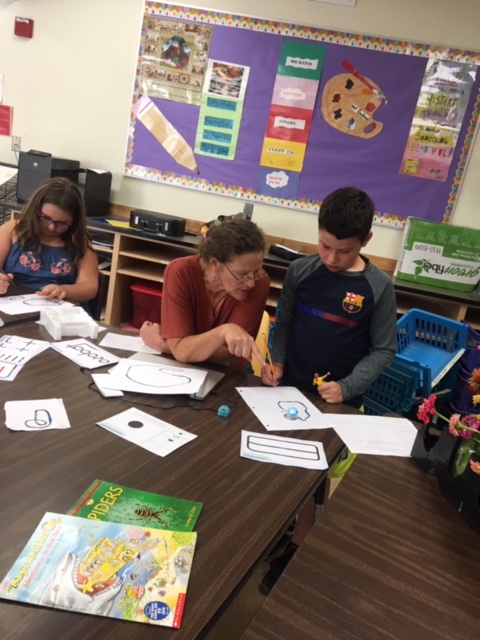
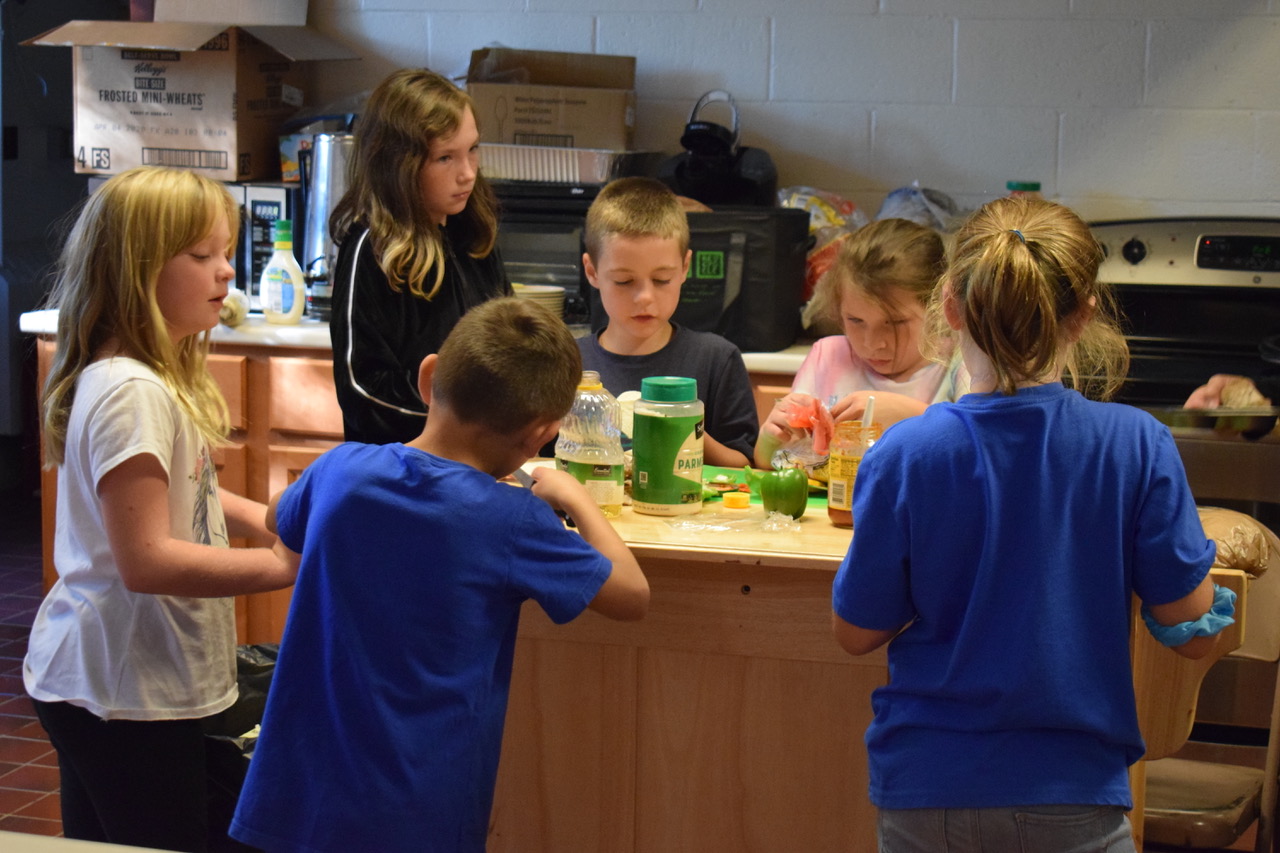
Beyond continuing to provide high quality and affordable opportunities for students this year, we are also looking to expand our linkages to the school day. In conjunction with the Weikart Center and our Youth Program Quality Assessment yearly action plan, we are working closely with Curriculum Coordinator Michael Eppolito to design an electronic portfolio. These portfolios will help students progress from writing goals and learning targets, to producing and capturing evidence that supports classroom goals and PLPs. It’s an exciting time in education and we at after school look forward to supporting youth opportunity and capturing student growth beyond the classroom walls.
Venissa White
TRSU After School Program Director


 Two Rivers Supervisory Union Blog